

Fastest Growing Communities in Calgary for New Single-Family Homes in 2026
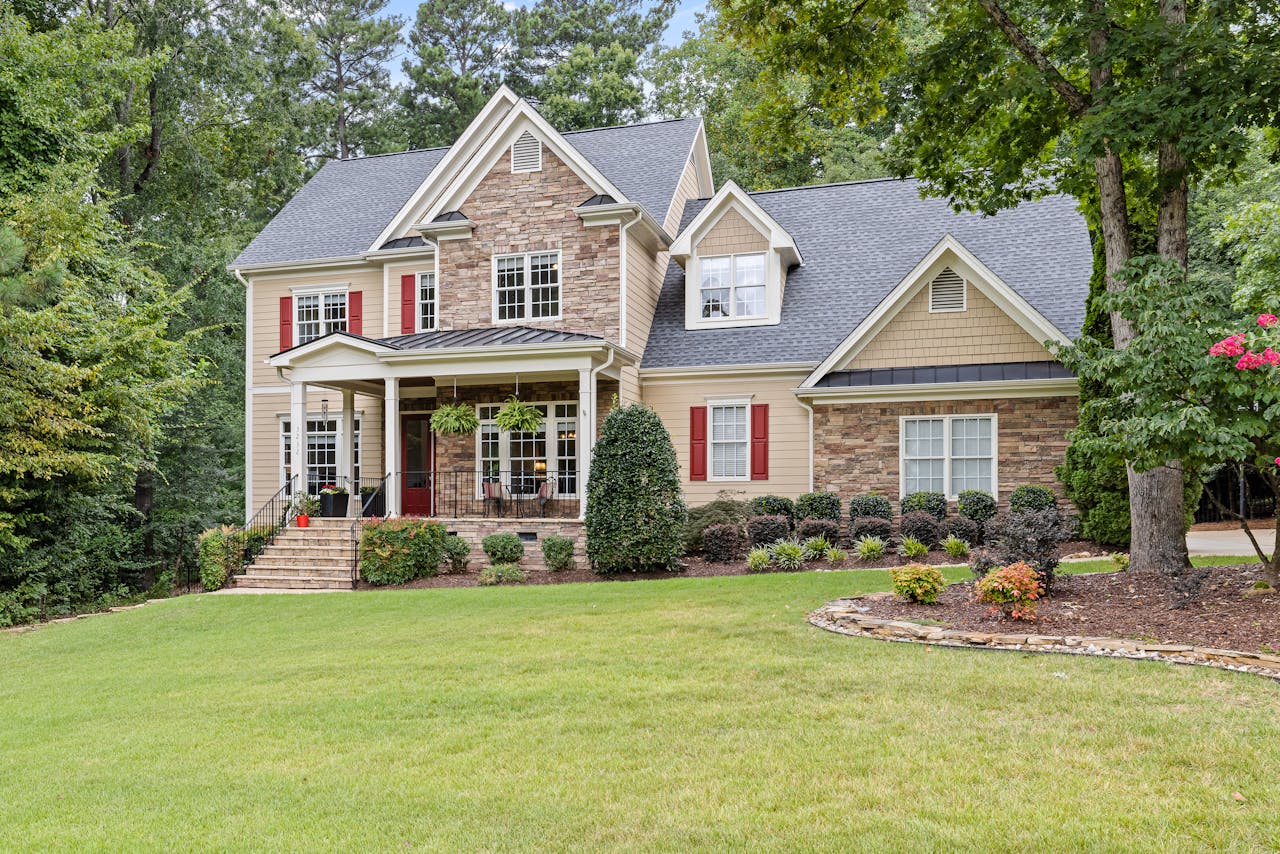
TLDR: Calgary's fastest-growing communities are concentrated on the city's outer edges, especially in SE, NW, and North Calgary. Areas like Seton, Livingston, Rangeview, and Belvedere are seeing rapid development, expanding infrastructure, and strong demand for new single-family homes heading into 2026.
Key Takeaways
- Calgary is one of Canada's fastest-growing cities, and population growth is driving demand for new communities on the suburban edges
- SE Calgary (Seton, Rangeview) is one of the largest expansion zones in the city
- North Calgary (Livingston, Carrington) is booming thanks to large-scale master-planned developments
- New communities offer strong long-term investment potential, but buyers should expect developing infrastructure in the early years
- Entry pricing in growth communities is generally more accessible than in established areas, with appreciation upside as the neighbourhood matures
Why Calgary Is Growing So Fast Right Now
Calgary is growing quickly because strong population gains, relative affordability, and available land for outward expansion are all working together at the same time. That combination is increasing demand for new housing while also pushing infrastructure, schools, retail, and services into emerging communities on the city's edges.
To understand why the fastest-growing neighbourhoods are concentrated in specific corridors, it helps to look at the population and expansion dynamics driving that growth.
Population Growth Driving Housing Demand
Calgary has experienced significant population growth over the past several years, fuelled by interprovincial migration, international immigration, and Alberta's relatively strong economic position. The city has been adding tens of thousands of new residents annually, and that pace of growth is expected to continue into 2026 and beyond. More people mean more demand for housing, and much of that demand is being absorbed by new communities on Calgary's outer edges, where land is available and builders are actively developing.
This population influx isn't just increasing demand for homes. It's also accelerating the development of infrastructure, schools, retail, and services in growth areas, which in turn makes those communities more attractive to buyers and reinforces the cycle of expansion.
Expansion Toward Suburban Edges
Calgary's geography allows it to grow outward more easily than many Canadian cities, and that's exactly what's happening. New developments are concentrated in areas where the city can extend its footprint, particularly in the southeast, north, and southwest. These growth corridors benefit from access to major transportation routes like Stoney Trail and Deerfoot Trail, which connect new communities to the rest of the city and make them viable for commuters.
The pattern is familiar to anyone who has watched Calgary grow over the past two decades: new communities emerge on the edges, infrastructure follows, and property values rise as the area matures. For buyers who understand that timeline, getting into a growth community early can be a smart long-term play.
Fastest Growing Calgary Communities in 2026
Calgary's fastest-growing communities are not all growing for the same reason, which is why buyers should look beyond the label of "new" or "fast-rising." Some are driven by major employment and mixed-use development, others by large-scale family-oriented master planning, and others by more accessible entry pricing with long-term upside. The communities below stand out because they combine active buildout, buyer demand, and a growth story that is already taking shape on the ground.
Seton (SE): Calgary's Fastest-Growing Urban Hub
Seton stands out from other growth communities because it's not a traditional suburb. It's being developed as an urban district, with a mix of residential, retail, office, healthcare, and entertainment uses all planned within a walkable footprint. The South Health Campus anchors the area, and the surrounding commercial development is expanding rapidly, bringing jobs, shopping, and services into the community.
For home buyers, Seton offers a different proposition than a standard suburban development. The walkability, mixed-use design, and proximity to major employment create a long-term growth story that appeals to both residents and investors. Single-family detached options are more limited here compared to traditional suburbs, but semi-detached and townhome options provide accessible entry points, and adjacent developments expand the range of available housing types.
Livingston (North): Future-Focused Master-Planned Community
Livingston is one of the largest and most ambitious master-planned communities in North Calgary, and its growth trajectory has been impressive. The community is designed around a central hub that will include schools, recreation, retail, and community amenities, and much of that infrastructure is now coming online as the population builds. New schools have opened, and the community's design prioritizes connected pathways, green spaces, and family-friendly programming.
For families looking for new construction in a community with clear long-term planning, Livingston is one of the strongest options in the city. Pricing is competitive compared to established communities, and the variety of housing types, from condos and townhomes to larger detached homes, gives buyers flexibility across different budgets.
Rangeview (SE): Emerging Agri-Urban Community
Rangeview is one of Calgary's newest and most distinctive community concepts. Designed with an agri-urban philosophy that integrates local food production, green spaces, and sustainable design into the neighbourhood fabric, Rangeview is in its early development stages and represents a high-upside opportunity for buyers who are comfortable getting in on the ground floor.
Because Rangeview is still early in its buildout, the community lacks the established amenities and school infrastructure you'd find in more mature areas. But for buyers who think in five-to-ten-year windows, the combination of unique community character, competitive builder pricing, and proximity to Seton's commercial growth makes Rangeview one of the more interesting plays in SE Calgary.
Belvedere (SE/East): Affordable Growth Corridor
Belvedere sits in Calgary's southeast-to-east growth corridor and offers one of the more affordable entry points among the city's fastest-growing communities. The area benefits from proximity to existing shopping and transit infrastructure, and the range of home prices is broad enough to accommodate first-time buyers, young families, and value-conscious purchasers.
Belvedere's growth story is more about affordability and practical value than lifestyle amenities. For buyers who prioritize price and are willing to trade some community polish for a lower cost of entry, it's a viable option with room for appreciation as the surrounding area develops.
Carrington (NW): Fast-Growing Suburban Option
Carrington is one of the newer communities gaining momentum in NW Calgary, attracting families with newer builds, competitive pricing, and a community design that emphasizes parks, pathways, and family-friendly amenities. The community is still building out, but early phases are well-received, and demand from families who want to be in the northwest without paying established-community premiums is driving steady growth.
For buyers who want the benefits of NW Calgary, including school access and proximity to mountain recreation, at a more accessible price point, Carrington is worth watching as it continues to develop.
Alpine Park (SW): Large-Scale Master-Planned Expansion
Alpine Park is one of Calgary's most significant long-term development projects, located in the southwest and designed as a large-scale master-planned community that will build out over many years. The vision includes residential, commercial, recreational, and natural areas, all integrated with a focus on design quality and accessibility.
Because Alpine Park is a long-horizon project, it's best suited for buyers who are planning ahead and want to be part of a community that will continue to evolve. Early phases offer the opportunity to establish yourself in a premium SW Calgary location at pre-maturity pricing, with the understanding that the full community experience will develop over time.
If you're interested in exploring new builds across these communities, search Calgary listings to see what's currently available.
Where Calgary Is Expanding the Most
Calgary's strongest expansion is happening in a few clear corridors rather than evenly across the city. The southeast and north are absorbing the largest share of new large-scale development, while the west and southwest are seeing more selective, design-led growth with longer time horizons. Breaking the city down by quadrant makes it easier to see where the biggest opportunities are emerging and what kind of buyer each area suits best.
Southeast Calgary
SE Calgary is the city's largest expansion zone, driven by Seton's emergence as an urban district and the development of communities like Rangeview and the continued buildout of areas like Mahogany. The combination of commercial growth, healthcare infrastructure, and a strong pipeline of new residential development makes the southeast the most active growth quadrant in the city.
North Calgary
North Calgary's growth is centred around master-planned communities like Livingston and Carrington, where large tracts of land are being developed with a focus on family-oriented design and long-term planning. The quadrant benefits from access to Stoney Trail and proximity to the airport employment zone, and the pace of residential development has been among the fastest in the city over the past few years.
West and Southwest Calgary
Growth in the west and southwest is more selective, with Alpine Park representing the largest single development. These areas tend to attract premium buyers and larger-lot purchasers, and the pace of development is slower but more design-focused. For buyers who want a SW Calgary address in a newer community, the options are limited but high-quality.
Where to Find New Single-Family Homes in Calgary
Buyers looking for new construction single-family homes in 2026 should focus on the following areas, each of which has active builder inventory and ongoing development:
- Seton for urban-style living with mixed-use amenities and growth potential
- Rangeview for an early-stage opportunity with a unique community concept
- Livingston for family-focused master-planned living in North Calgary
- Carrington for NW Calgary access at more accessible pricing
- Belvedere for affordable new builds in the east-southeast corridor
What buyers can expect from new construction in these areas includes modern floor plans with open-concept living spaces, energy-efficient building standards, upgraded standard finishes compared to older housing stock, and in many cases, competitive builder pricing with incentives. The trade-off is that surrounding infrastructure may still be catching up, and the community experience will continue to evolve as more homes are built and more residents move in.
For a closer look at what to expect during the home-buying process, the JD Real Estate Buyer's Guide covers each stage in detail.
Best Calgary Communities for New Construction Investment
Some new-construction communities are better investment plays than others because growth alone does not guarantee strong returns. The most compelling areas tend to be the ones with a clear development plan, active builder momentum, and infrastructure or employment anchors that can support demand beyond the first wave of buyers. The communities below stand out because they offer different versions of that investment case, depending on whether you prioritize stability, long-term appreciation, or early-entry upside.
High-Growth Investment Areas
For investors looking at new construction in Calgary's growth communities, three areas offer the strongest combination of entry pricing, growth trajectory, and long-term demand.
Seton is the most compelling investment play because of its urban-district model. As the commercial and employment footprint expands, residential demand will follow, and early entrants are positioned to benefit from that appreciation cycle. The area's healthcare anchor and mixed-use design give it a more durable growth story than communities that rely solely on residential demand.
Livingston offers long-term development potential in a family-oriented setting. As schools, retail, and community amenities continue to come online, the community's appeal will broaden, and prices are likely to reflect that maturation. For investors who think in five-to-ten-year windows, Livingston provides a strong risk-reward profile.
Rangeview is the highest-upside, highest-patience option. The community is in early stages, which means lower entry pricing but also a longer wait for full infrastructure development. Investors who are comfortable with that timeline and believe in the community's unique positioning could see meaningful appreciation as Rangeview builds out.
For a broader perspective on investment strategies across Calgary, visit the Calgary Investment Realtor page.
Are New Communities in Calgary a Good Investment?
The short answer is yes, but with nuance that buyers and investors should understand before committing.
New communities offer several clear advantages: lower entry prices compared to established areas, modern housing stock that appeals to a wide range of buyers, and the potential for significant appreciation as infrastructure develops and the community matures. For buyers who plan to hold long-term, the math can be very favourable.
The trade-offs are real, though. New communities often come with longer commutes, limited retail and services in the early years, schools that are still being built or are temporarily housed in portable structures, and the general inconvenience of living in an area that's still under active construction. These are temporary conditions, but they affect the quality of life during the first few years, and buyers should factor that into their decision.
The strongest approach is to buy in a growth community with a clear development plan and demonstrated builder activity, hold for the medium to long term, and treat the early-stage trade-offs as the cost of entry into an appreciation cycle that rewards patience.
Pros and Cons of Buying in Calgary's Fastest-Growing Communities
Buying in a fast-growing community usually means trading short-term inconvenience for longer-term upside. Lower entry prices, modern homes, and appreciation potential can make these areas attractive, but buyers also need to be realistic about construction, incomplete amenities, and the time it takes for a neighbourhood to feel fully established. The table below gives a clearer snapshot of those trade-offs before you weigh them against your own priorities.
| Pros | Cons |
| Lower entry prices compared to established areas | Longer commutes to downtown and employment centres |
| New homes with modern layouts and energy efficiency | Limited retail, dining, and services in early years |
| Strong appreciation potential as communities mature | Ongoing construction activity in the neighbourhood |
| High demand from families and new residents | Schools may still be developing or using temporary space |
| Competitive builder pricing and incentives | Community feel takes time to develop |
How to Choose the Right Growing Community
The right growing community is the one that matches your timeline, budget, and tolerance for early-stage trade-offs, not just the one with the most hype. Some buyers benefit from getting in early and waiting for schools, retail, and services to catch up, while others are better served by communities that are further along in their buildout and already functioning more like established neighbourhoods.
Use this checklist to evaluate whether a growth community is the right fit for your situation:
- Are you buying to live in or as an investment? Your timeline and tolerance for early-stage inconvenience will differ depending on whether this is your primary residence or an investment property.
- How long can you wait for full development? Most growth communities take five to ten years to feel fully established. If you need schools, retail, and services immediately, a more mature community may be a better fit.
- Is commute time a dealbreaker? Growth communities are typically further from downtown. If a daily commute is part of your routine, map the drive before you commit.
- Do you want a fully built community or an early-stage opportunity? There's a real difference between a community like Livingston, which is well into its buildout, and Rangeview, which is just getting started. Know where you are on that spectrum.
- What is your budget range? Growth communities offer better pricing, but costs can vary significantly between communities and builders. Set a clear budget before comparing options.
Calgary's Fastest Growing Communities and Your Next Home with JD Real Estate
Calgary's fastest-growing communities are shaping the future of the city, offering modern homes, strong investment potential, and family-friendly environments at price points that established areas can't match. Areas like Seton, Livingston, and Rangeview stand out in 2026 as the strongest options for buyers looking to enter high-growth markets, whether you're buying your next family home or building a long-term investment position.
The Jesse Davies Team at JD Real Estate Calgary helps buyers and investors identify the growth communities that match their timeline, budget, and goals. If you're ready to explore new construction options, browse Calgary listings or connect with the team for guidance on where the best opportunities are right now.
Frequently Asked Questions
What are the fastest-growing communities in Calgary?
Seton, Livingston, Rangeview, Carrington, and Belvedere are among the fastest-growing areas in Calgary heading into 2026. Most of this growth is concentrated in SE and North Calgary, where large-scale master-planned developments are actively building out.
Where is Calgary expanding the most?
The largest expansion zones are in SE Calgary (Seton, Rangeview) and North Calgary (Livingston, Carrington). SW Calgary is also seeing significant growth through Alpine Park, though at a slower and more design-focused pace.
Which Calgary neighbourhoods are best for investment?
Seton, Livingston, and Rangeview offer the strongest long-term growth potential among Calgary's newer communities. Seton's urban-district model and Livingston's master-planned family appeal make them particularly attractive for investors who can hold medium to long term.
Are new communities in Calgary a good investment?
Yes, especially for buyers with a long-term outlook. New communities offer lower entry prices, modern housing stock, and appreciation potential as infrastructure develops. The trade-off is that amenities and services take time to arrive, and the community experience evolves as the neighbourhood matures.
Where are the newest single-family homes being built in Calgary?
Mostly in SE Calgary (Seton, Rangeview) and North Calgary (Livingston, Carrington). NW Calgary's Carrington and SW Calgary's Alpine Park are also active areas for new single-family home construction.
The people behind every successful move.
Follow the Jesse Davies Team for Calgary listings, local market insight and a closer look at the REALTORS® working behind every transaction.